
 By journeycn
Tucked away amid the western Tianshan Mountains in Xinjiang, Sayram Lake is one of China’s most breathtaking alpine wonders. Located in Bortala Mongol Autonomous Prefecture, it is Xinjiang’s highest and largest cold-water alpine lake, sitting at an elevation of 2,073 meters and covering around 458 square kilometers. Travelers affectionately call it “the Last Tear of the Atlantic”.
This poetic nickname comes from its special geography. Moist winds originating over the Atlantic travel thousands of kilometers eastward across Eurasia. When they hit the towering Tianshan range, the air rises and falls as rain and snow, feeding the lake with pure glacial meltwater. The water clarity reaches up to 12 meters. Depending on sunlight and drifting clouds, the lake shifts between turquoise, sapphire blue and deep indigo, offering a new view every hour.
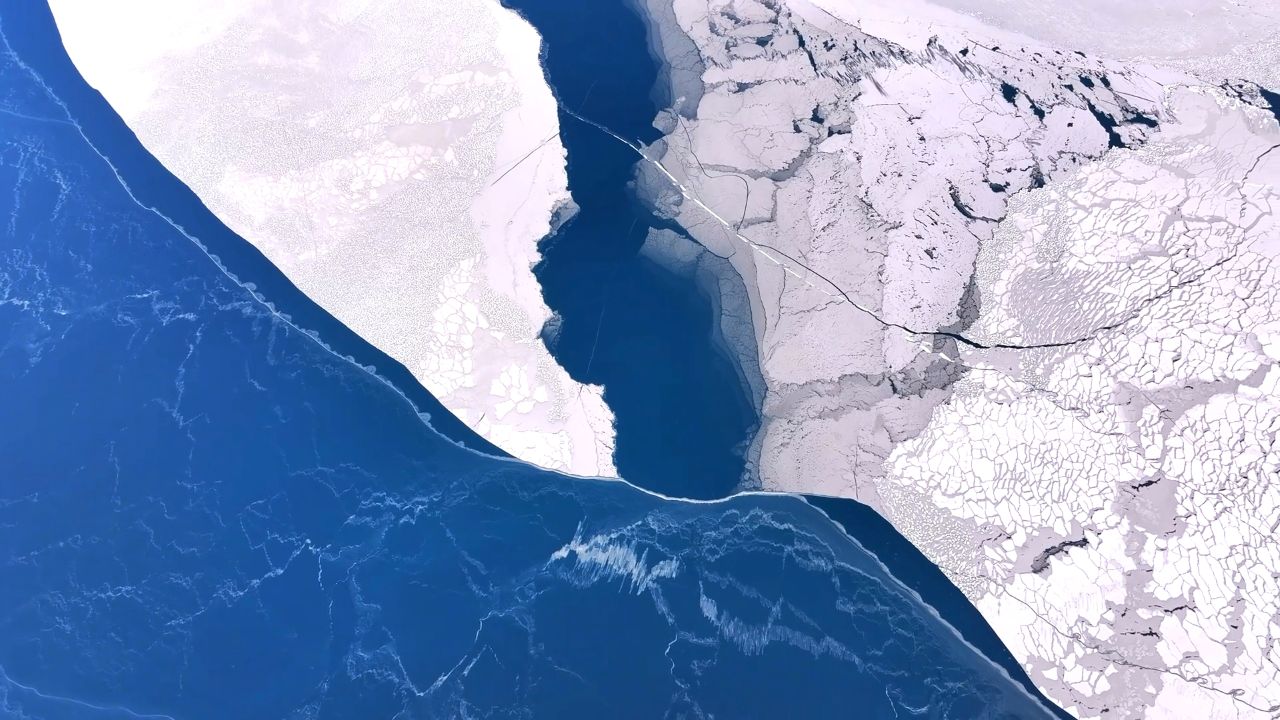
Sayram Lake delivers completely different scenery across four seasons. From May to July, the lakeside grasslands burst with wildflowers. Golden lilies and primroses carpet the shore, while swans glide peacefully on the blue water. Snow peaks, clear lake and blooming meadows blend into a living painting. September and October bring peaceful autumn: grass turns warm golden, crowds thin out, and the lake feels vast and quiet, perfect for slow self-driving and landscape photography. In winter, the lake freezes solid, revealing rare blue ice, ice bubbles and dramatic ice-push formations. Under sunlight, the glowing blue ice creates a magical winter wonderland.
Self-driving around the lake is the most popular way to explore Sayram Lake. The ring road stretches roughly 90 kilometers with smooth pavement. Most visitors enter through the east gate and drive clockwise. Top stops include Moon Bay, the General’s Platform, Keleyongzhu and Songshutou. Climb the General’s Platform for a panoramic overlook of the whole lake. Keleyongzhu stays ice-free year-round and attracts many water birds. At Songshutou, you can enjoy views of Sayram Lake and the famous Guozigou Bridge at the same time.
This area was once part of the ancient Silk Road. Kazakh herders have grazed their livestock here for generations. White yurts dot the grasslands, and sheep and cattle wander freely. Wild natural beauty mixes gently with nomadic culture.
If you plan to visit, prepare for the highland climate. Temperatures swing sharply between day and night, and UV radiation is strong. Even in summer, pack a windproof jacket and high-SPF sunscreen. Do not rush your trip. Stop often, breathe in the crisp mountain air, and let the wind from the lake calm you down. That is how you truly experience Sayram Lake.