
 By journeycn
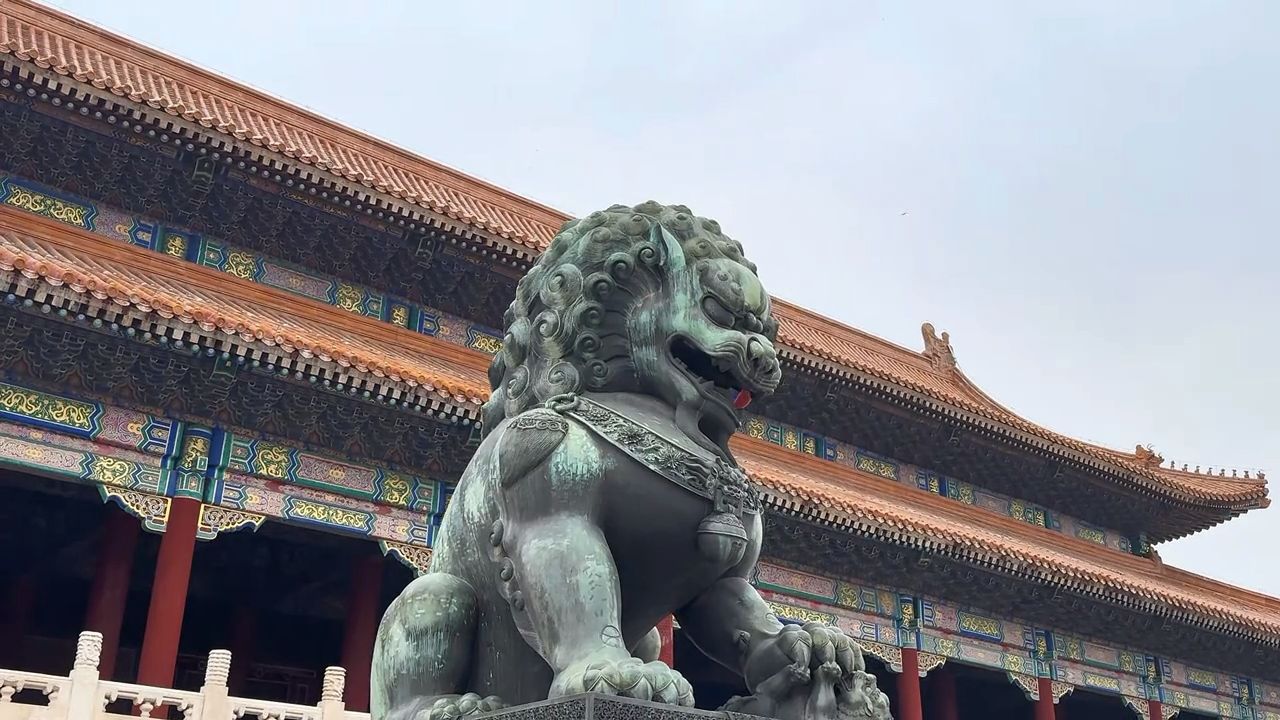
The Palace Museum, historically known as the Forbidden City, sits right at the heart of Beijing’s central axis. It is a UNESCO World Cultural Heritage Site and the largest, best-preserved ancient wooden palace complex on Earth. Construction began in 1406 during the Yongle reign of the Ming Dynasty and took 14 years to finish. For nearly 500 years, it served as the seat of power and royal home for 24 emperors of the Ming and Qing dynasties. In 1925, it was transformed into a public museum and opened to visitors.
The rectangular compound is enclosed by towering vermilion walls, with delicate turrets at each corner and a wide moat running all around. Laid out according to traditional Chinese ritual principles, the site is split along the central axis into two main zones: the Outer Court and the Inner Court. The Outer Court hosted grand ceremonies and state affairs. Three great halls stand in sequence here. Hall of Supreme Harmony is the most important building in the whole palace, where emperors held coronations, royal weddings and major national celebrations. Next to it, the Hall of Central Harmony was used by emperors to rest and prepare before ceremonies. The Hall of Preserving Harmony once hosted royal banquets and the imperial civil examinations that selected top scholars across the country.
Cross the Gate of Heavenly Purity and you enter the Inner Court, the private living quarters for emperors, empresses and concubines. Three principal palaces line the central axis: the Palace of Heavenly Purity (the emperor’s sleeping quarters), the Hall of Union, which housed imperial jade seals, and the Palace of Earthly Tranquility, the empress’s main residence. Flanking these are the Eastern and Western Six Palaces, elegant courtyards where imperial consorts once lived — the setting for countless well-known palace legends. At the northern end lies the Imperial Garden, filled with pavilions, rockeries, ancient cypresses and rare blossoms for the royal family’s leisure. The Treasure Gallery and Clock Gallery are also highlights, showcasing breathtaking royal artifacts and antique European timepieces with masterful craftsmanship.
Vermilion walls and golden glazed roofs form its iconic look. Yellow roof tiles were reserved exclusively for imperial use, while red stands for blessing and dignity. Mythical beast sculptures along the roof ridges and dragon carvings everywhere express strict social hierarchy and timeless Chinese aesthetics. Most visitors enter through Meridian Gate in the south, follow the central axis northward, and exit via the Gate of Divine Prowess. Directly across the road, Jingshan Park offers the classic panoramic overlook of the entire palace from its hilltop pavilion.
The Forbidden City shifts its charm with every season. In spring, apricot and begonia blossoms lean against red walls. Thick shade cools the courtyards in summer. Golden ginkgo leaves paint the grounds in autumn. When winter snow falls over the golden roofs, the contrast of snow and vermilion creates a serene, unforgettable scene.
As you wander the vast stone pathways, you walk across six centuries of imperial history. Far more than an architectural landmark, this living museum holds more than a million cultural relics, preserving the profound legacy of Chinese civilization.